Dilek Yaman,

is a contemporary artist working at the intersection of memory and resistance, with a practice grounded in photography. Through photography and installations, she investigates traces of individual and collective experience, building bridges between the past and the present. Her art centers on questions of migration, belonging, identity, and “where is home?”. She approaches these themes through a feminist and queer perspective, developing long-term projects that combine documentary and conceptual strategies.

In 2004, Yaman moved to Istanbul to study at the Photography Department of Marmara University Faculty of Fine Arts, where she became involved in production spaces intersecting with feminist movements and alternative cultural circles. In the early 2000s, Istanbul’s nightlife and İstiklal Avenue functioned as sites of both emancipation and solidarity. The photographs she produced during this period make visible chosen families, community solidarity, and friendships, while also documenting the losses brought about by increasing political pressure following the Gezi Resistance.

After 2015, personal losses led to a pause in her artistic production. During this period, Yaman turned toward her archive, redefining it not merely as a tool of documentation but as a means of healing and meaning-making in the process of confronting the past. Her first solo exhibition, In Dreams We Unite (2024), presented at Ferda Art Platform, offered a journey between dream and reality, framing individual and collective memory through a selection reborn from the archive.

In her practice, the artist employs the metaphors of the “sanctuary” and the “threshold,” inviting viewers into a confrontation with both their inner worlds and collective memory.
Projects

An Apartment in Şişli

An Apartment in Şişli is a photographic series I produced in Şişli, in the center of Istanbul (adjacent to Taksim; a corridor where different faiths and cultures have lived side by side for centuries). The title is taken from the opening of the 1933 operetta Lüküs Hayat. For me this reference is not nostalgia; it is a point of departure for questioning how the promise of early modernity persists today—and for whom it is constructed. The series moves through the distance between the polished image of Şişli celebrated in the song and the Şişli of the present, keeping one question alive: Who lives in Şişli now, who is displaced, and who gets to stay?

In Dreams, We Unite

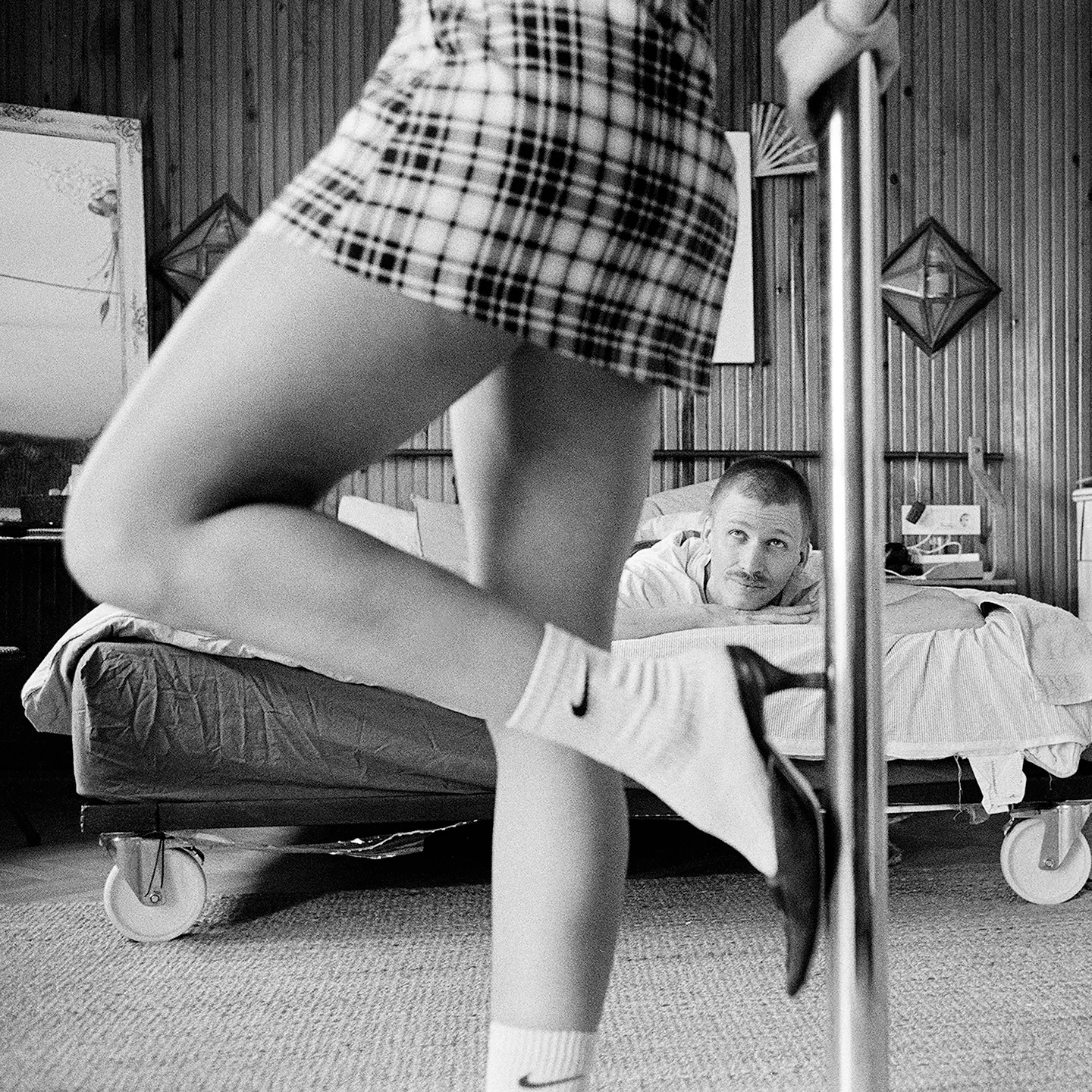
The title In Dreams, We Unite is taken from Zeki Müren’s song of the same name. As an iconic performer who challenged gender norms and carried early traces of queer aesthetics onto the Turkish stage, Müren holds a special place in the emotional memory of this project. In Dreams, We Unite is a visual narrative that traces the intersections of personal and collective memory, and the imprints of loss, intimacy, and healing. Emerging from an archive of nearly 45,000 photographs taken between 2007 and 2023, the project carries the echoes of two distinct periods: the free and exuberant public life of the pre-Gezi years, and the quiet, introspective fragility of the years that followed.

FAMILY

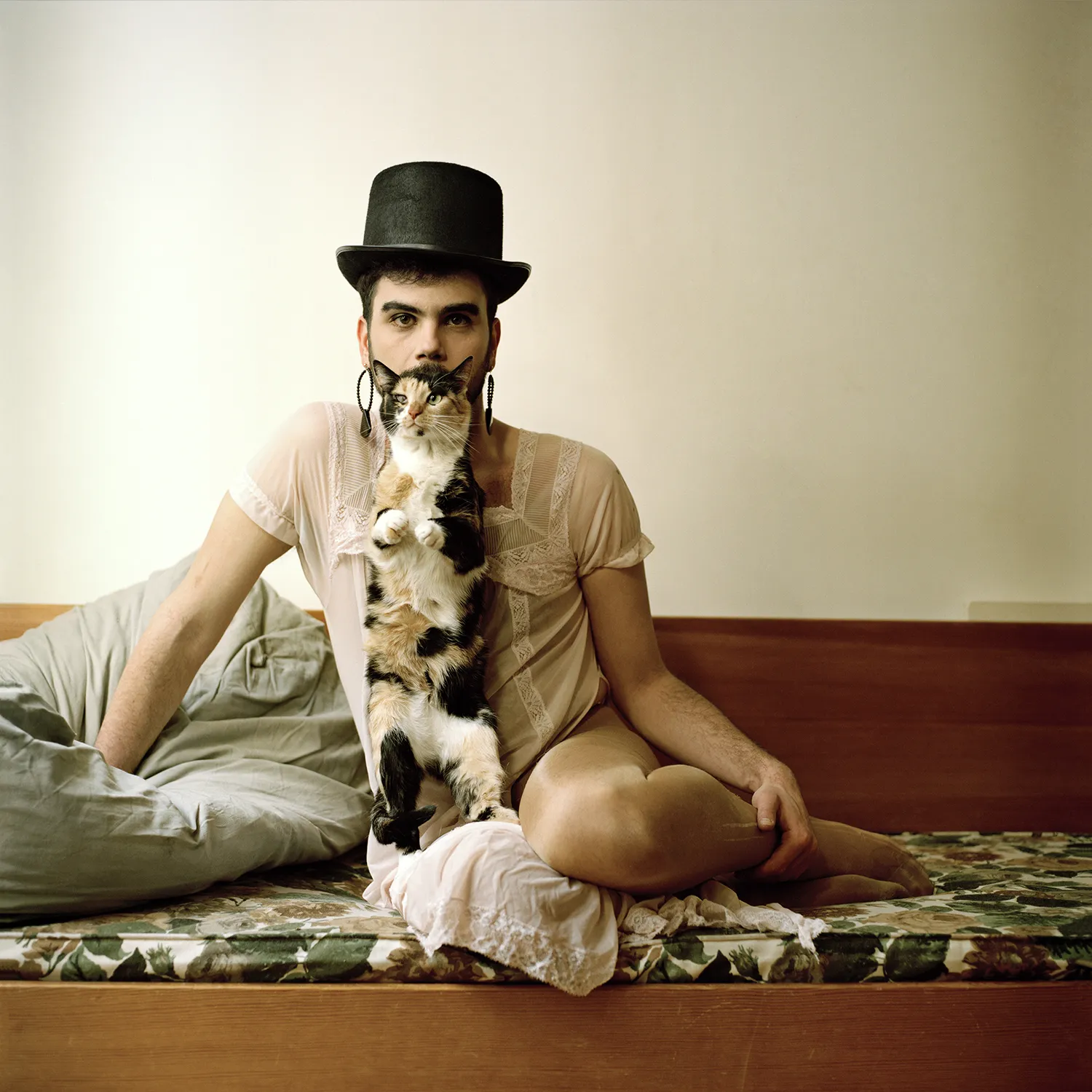
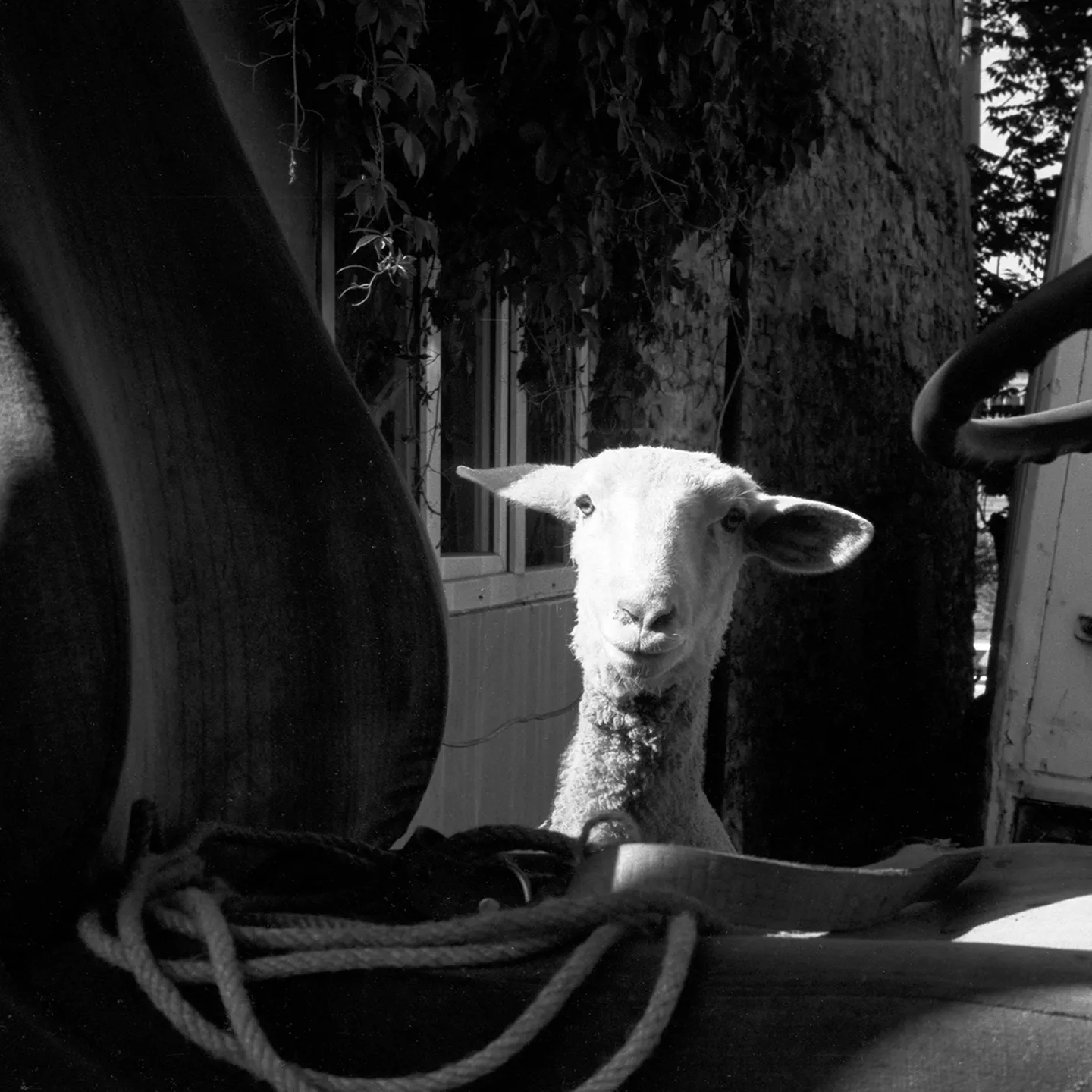
FAMILY (2012) is a portrait series shaped through visits to the homes of my friends who live with their animals. Rather than reducing the concept of family to a single definition, the work opens it up to reflection through the relational forms produced by cohabitation, everyday closeness, and the bonds we build. People, animals, and personal objects appear side by side, because “family” often becomes visible not through bloodlines, but through shared space and the rhythm of a life lived together. In this sense, FAMILY looks at shifting narratives of family and the ways the idea of the “nuclear family” expands and transforms.

Cereyan

“Cereyan” comes from Persian and means flow, occurrence, coming into being; its root cer refers to a cycle and continuous movement. This series makes visible the currents of the dark periods that have recurred within me for years—my losses and my search for healing. Comprising around 120 photographs and still ongoing, it examines how memory is formed, how forgetting becomes possible, and where and how remembering begins.